
Selling A House With Fire-Damaged In Georgia
We buy fire damaged houses in Georgia cash as is, get a fair offer today

We’ll Give You A No Pressure As-Is Cash Offer in 24 Hours
We’re Local, Fast Cash




How To Sell A Fire Damaged House As Is In Georgia
If you’re wondering how to sell a house as is, we walk our sellers through our simple 3 step process. Unlike a traditional sale with a real estate agent, you can receive a free cash offer in 24 hours and close on your timeline. Think real estate moves slow? Give our team at Georgia Fire House Buyer a try…



Fill Out Form
Fill out our form and we’ll get started on your free offer! No obligations.



Receive Cash Offer
We’ll research your property and call you with our fair offer in cash!


You Get Paid!
Money in your bank account at closing.
Sell Your House Fast After a Fire
Selling your fire-damaged home has never been easier. With our seamless, stress-free process, you can move forward quickly and focus on what truly matters.
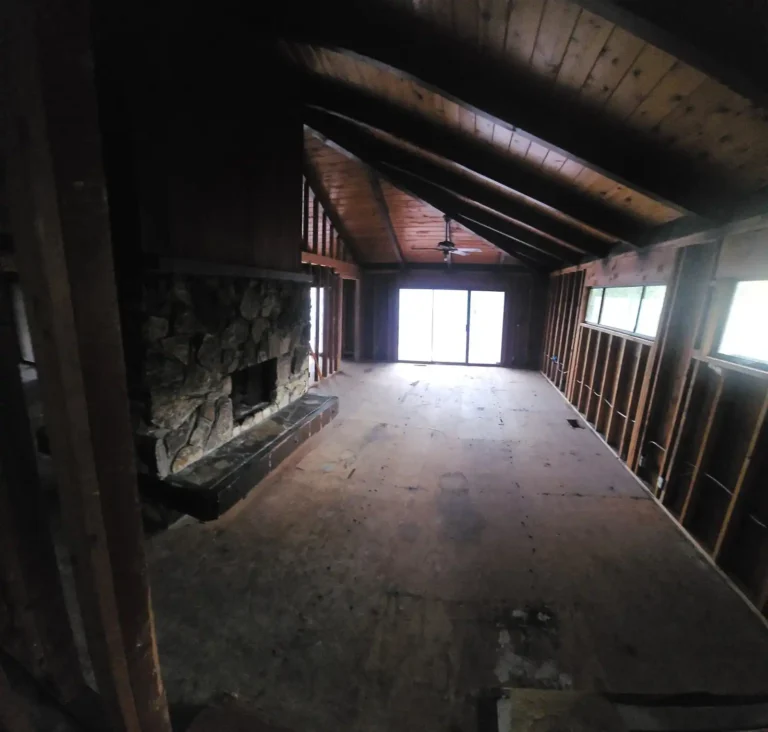
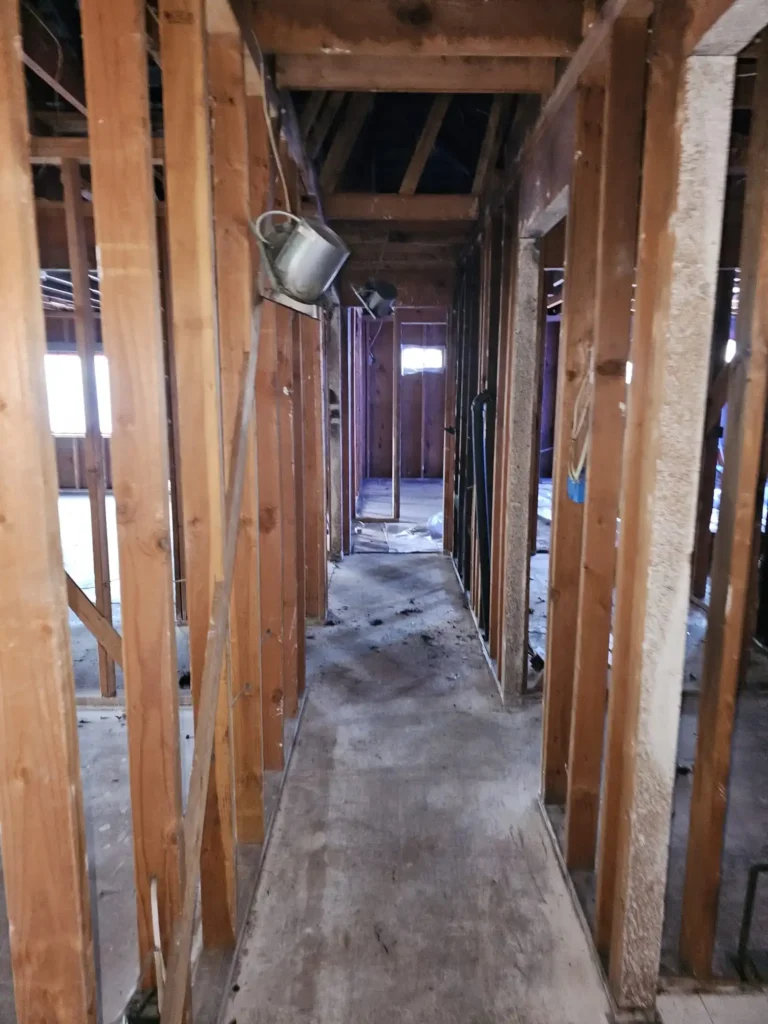
How To Sell A Burned Down Fire Damaged House In GA
- We Buy Fire Damaged Homes
- Selling a fire-damaged house in Georgia requires weighing the pros and cons of various options, such as selling as-is or repair and listing.
- It is important to consult a fire damage restoration contractor to properly assess the damage and estimate repair costs in order to accurately price a house with fire damage.
- In Georgia, it is recommended to disclose fire damage when selling your property in order avoid potential legal disputes & financial liabilities.
We Buy Fire Damaged Homes As Is
We buy homes as-is in any situation from financial distress to probate properties to just not wanting to deal with real estate MLS listing headaches, a home inspection, and a realtor. Selling your house as-is lets you avoid having to show your home to potential buyers making the home sale process easy for you no matter what you’re going through.

No Home Repairs
Selling your house as is means we take care of all the hassles!

No Agents
Skip paying for agent commission. We make home sales simple!

No Fees
Not only do we have NO agent or iBuyer fees, we cover closing costs!

Fast Closing
Sell your home on your timeline! We buy homes fast.

No Obligations
Take it or leave it. Our free cash offers come with no obligations.

Hassle Free
No agents. No inspection. No delays. We buy real estate as-is for cash!
Can I Sell A Fire-Damaged House In Georgia?
Although selling a fire-damaged house in Georgia is possible, it comes with its own set of challenges. The market value of the property is likely to be affected by the damage caused by the fire. This means that selling at a desirable price may be difficult. Additionally, potential buyers may be more inquisitive and cautious when considering such properties.
When selling your fire-damaged house in Georgia, you can either restore it or sell it as-is. If you decide to restore the property, you may face high repair costs and a lengthy rebuilding process. On the other hand, selling as-is can save you time and money, but may result in a lower selling price. Regardless of your decision, honesty about the damage and required repairs is critical.
Georgia Fire House Buyer!
If a simple home sale that closes on your schedule sounds like what you need, come check us out. You can request a free quote for your house by filling out our form below!
We’ll Give You A No Pressure As-Is Cash Offer in 24 Hours
We’re Local, Fast Cash
Selling a House with Fire Damage in Georgia: 6 Essential Steps
Fire damage transforms a Georgia property from a valuable asset into a complex challenge overnight. Beyond the visible damage, homeowners face important decisions about property valuation, repair investments, and selling options.
Insurance negotiations, property disclosures, permits, and building requirements can all affect the next steps. Homeowners may choose among cash buyers, investor sales, traditional listings, or completing repairs before selling.
A professional assessment, organized documentation, realistic repair estimates, and current local market conditions provide a stronger foundation for deciding which path makes the most sense.
The Impact of Fire Damage on Your Georgia Property
Fire damage can affect much more than visible surfaces. Structural components, electrical systems, roofing, smoke contamination, and water damage from firefighting efforts may all influence the property’s condition and value. A detailed professional assessment and clear documentation can help homeowners understand the full scope of the damage before deciding whether to repair or sell.

Types of Fire Damage Assessment
Professional fire damage assessment encompasses three critical evaluation layers:
• Structural Analysis: Licensed engineers examine load-bearing walls, foundation stability, and roof integrity using thermal imaging and material assessment techniques
• Systems Evaluation: Certified contractors inspect electrical networks, HVAC components, and plumbing infrastructure for heat-related deterioration
• Material Testing: Laboratory analysis of building materials determines microscopic damage, including heat-weakened steel and compromised concrete integrity
Property Value Implications
Fire damage can reduce a property’s value, but the amount varies widely based on the severity of the damage, the cost and quality of repairs, the property’s location, and current market conditions. Professional restoration and well-organized records can help buyers better understand what was damaged and what work has been completed.
• Completed professional restoration may improve buyer confidence and marketability
• Incomplete or poorly documented repairs can create additional buyer concerns
• Third-party inspections can provide useful evidence of the property’s current condition

Secondary Damage Considerations
Secondary damage often exceeds initial fire impact, based on restoration industry statistics. Key factors include:
• Smoke can penetrate drywall, insulation, and HVAC components
• Water used during firefighting can affect framing, flooring, insulation, and other materials
• Moisture left behind after the fire can contribute to mold growth
• Fire-suppression chemicals and soot may require specialized cleaning
Documentation Requirements
Georgia law requires specific documentation for fire-damaged property transactions. Essential records include:
• Fire department incident reports with cause determination
• Professional damage assessment reports with photographic evidence
• Detailed restoration work logs and contractor certifications
• Insurance claim documentation and settlement records
• Environmental testing results for smoke and chemical residue
• Final inspection certificates from licensed professionals
These documents establish a verifiable restoration timeline and protect both seller and buyer interests during property transactions.
Initial Steps After Fire Damage
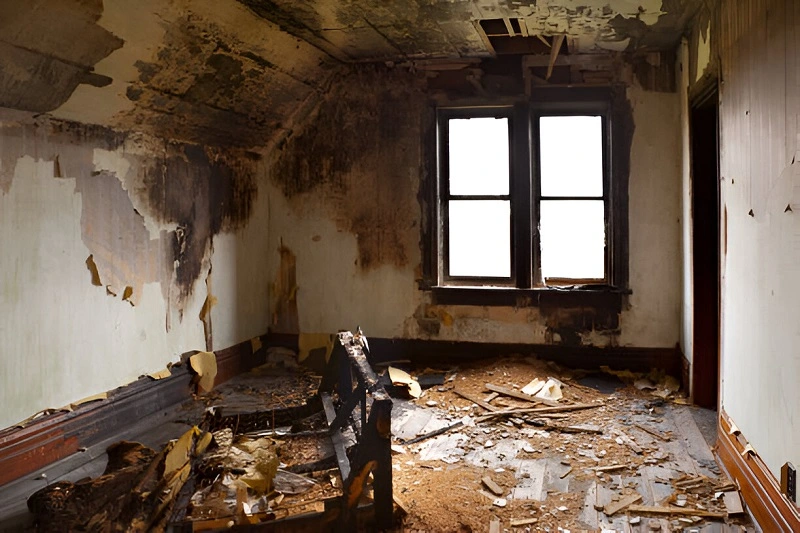
Fire damage requires prompt, organized action to protect the property and limit additional deterioration. Once authorities say the property is safe to access, documenting the damage, securing the site, contacting the insurer, and arranging professional assessments can help preserve important information for both the insurance claim and a future sale.
Safety And Security Measures
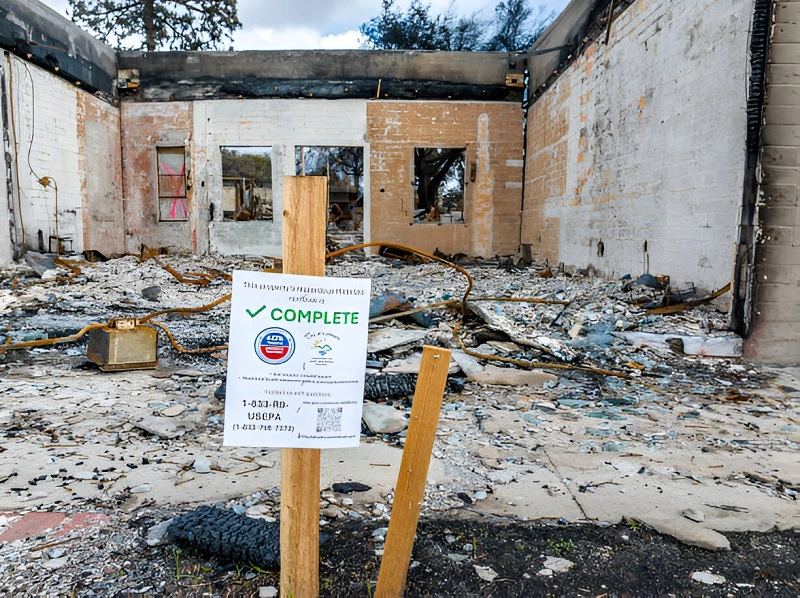
• Obtain official clearance from fire authorities before entry
• Secure damaged doors, windows, and other access points as needed
• Place warning signs around unsafe areas
• Consider temporary lighting or other security measures
• Contact a qualified professional if structural stability is uncertain
Property security requires immediate attention once fire officials declare the scene safe. Professional security measures typically cost $2,000-4,000 but prevent thousands in potential theft or vandalism losses. A certified structural engineer must evaluate load-bearing elements before any cleanup work begins.
Insurance Claim Process
Contact your insurance provider within 24 hours of the incident. Create a detailed communication log including:
• Claim number and filing date
• Adjuster’s name and direct contact information
• Documented conversations with dates, times, and key points
• Photos with timestamps
• Expense receipts and repair estimates
Keep a detailed record of all fire-related expenses and ask your insurer which costs may be covered under your specific policy.


Professional Damage Assessment
Professional assessments reveal critical damage patterns that untrained eyes miss. Certified restoration contractors use moisture meters, thermal imaging ($350-500 per inspection), and air quality testing to:
• Evaluate structural integrity
• Identify smoke penetration depth
• Assess water damage from firefighting
• Document hidden damage behind walls
• Calculate precise restoration costs
These detailed evaluations typically cost $800-2,500 but provide crucial support for insurance negotiations and help secure fair settlement values.
Essential Documentation Collection
Build a complete documentation portfolio containing:
• Fire department incident report
• High-resolution damage photographs
• Professional assessment findings
• Insurance claim documents
• Property maintenance records
• Building permits and inspections
• Repair estimates and invoices
Store important records in a secure location and maintain digital backups so they are easy to provide to insurers, contractors, or potential buyers when needed.
Georgia-Specific Legal Requirements
Selling a fire-damaged property in Georgia can involve disclosure, documentation, permit, insurance, and contract considerations. The exact requirements can depend on the property’s location, condition, completed repairs, and the type of transaction. Sellers should accurately describe known material conditions and confirm the requirements that apply to their specific sale with an appropriate Georgia real estate or legal professional.
Mandatory Disclosure Laws
Georgia law mandates detailed disclosure of fire damage through the Seller’s Property Disclosure Statement. Key requirements include:
• Detailed documentation of fire incident dates and locations
• Thorough evaluation of structural damage extent
• Itemized list of completed repairs with corresponding dates
• Professional restoration certificates and warranties
• Environmental impact reports related to smoke or chemical damage
Even in as-is cash sales, Georgia courts have consistently upheld (Smith v. Jones, 2019) that sellers must maintain detailed disclosure records to prevent future liability claims.
Property Inspection Guidelines
Georgia’s property inspection protocols for fire-damaged homes follow strict state-mandated criteria. Licensed inspectors must:
• Assess structural integrity and visible damage
• Evaluate electrical systems and other affected utilities
• Check for smoke, soot, moisture, and environmental concerns
• Document findings with photographs and written reports
• Use appropriately qualified professionals for the type of assessment required
Inspection and licensing requirements can vary by the work being performed and the property’s location, so confirm local requirements before relying on a particular inspection or report.

Building Code Compliance
Fire-damaged properties must align with Georgia’s updated building codes, which specify:
• Minimum structural integrity standards
• Enhanced fire-resistant material requirements
• Updated electrical safety protocols
• Modern ventilation system specifications
• Advanced fire suppression requirements
Older or significantly damaged properties may need upgrades to meet current building requirements during restoration. The extent of required work depends on the property, the scope of repairs, and the rules enforced by the local permitting authority.
Permit Requirements
Georgia municipalities require specific permits for fire damage restoration, typically including:
Depending on the scope of the restoration and the local jurisdiction, permits or approvals may be needed for:
• Demolition work
• Structural repairs
• Electrical work
• Plumbing, HVAC, or mechanical work
• Final inspections or occupancy approval when applicable
Before beginning major restoration, confirm the required permits and contractor licensing rules with the appropriate local authority in Georgia.

Selling Options Analysis
When selling a fire-damaged property in Georgia, the chosen sales approach affects both the timeline and the amount of work required before closing. Homeowners commonly compare an as-is cash sale, a restored traditional listing, an auction, or another direct-sale option based on the condition of the property and their priorities.

Cash Buyers And Investors
Real estate investors and cash buyers often purchase distressed properties in their current condition. General cash-buyer transactions may sometimes close within 7-14 days depending on the property, title, documentation, and transaction.
Potential benefits can include:
• Faster closing compared with some traditional sales
• No major pre-sale renovation requirement
• Simplified paperwork in some transactions
• An as-is sale that transfers the repair work to the buyer
Cash offers generally reflect the property’s current condition, estimated repair costs, market value, and the buyer’s expected investment return. Homeowners should compare the convenience of an as-is sale with the possible proceeds and costs of other selling methods.
Traditional Real Estate Market
Selling through the traditional real estate market after restoration may increase the pool of buyers and improve marketability, but it also requires upfront repair costs, additional time, and preparation before listing. Whether repairs produce a worthwhile return depends on the specific property and local market conditions.
• Complete documentation of all repairs
• Professional restoration certification
• Updated safety systems
• Current property inspection reports
Experienced agents use these improvements to capitalize on both traditional buyers and renovation investors, creating multiple offer scenarios in strong markets.


Auction Process
Property auctions create time-defined sales opportunities, typically completing within 30-45 days from listing to closing. This structured approach generates competitive bidding environments, particularly effective for unique properties with complex damage profiles.
Auction advantages:
• Predetermined sale date
• Multiple qualified buyers competing
• Minimal seller involvement
• Transparent pricing process
Auction results vary significantly based on location, damage severity, property demand, reserve terms, and the number of qualified bidders. Sellers should compare expected auction proceeds and fees with other available sale options.
Direct Sale Companies
Professional property buying companies offer systematic purchasing processes with guaranteed closings, typically within 21 days. These organizations maintain established evaluation methods and provide sellers with firm offers within 24-48 hours of property inspection.
Notable benefits:
• Defined purchase process
• Closing-cost arrangements that vary by buyer
• Expedited closing options in some transactions
• No traditional listing commission in some direct sales
Direct-sale offers usually reflect the property’s current condition and expected repair costs, so compare the net offer with the costs and timing of other selling options.

Financial Considerations
The financial impact of selling a fire-damaged property goes beyond the sale price. Insurance coverage, repair costs, carrying expenses, taxes, professional fees, and the timing of the sale can all affect the final financial outcome. Comparing several realistic scenarios can help homeowners make a more informed decision.

Insurance Payout Options
- Replacement Cost Value (RCV) and Actual Cash Value (ACV) policies can produce different settlement amounts depending on the policy terms, depreciation, limits, and covered loss
- Documentation requirements:
- Detailed photo evidence of all damage
- Professional damage assessment reports
- Itemized inventory of affected structures and contents
- Contractor estimates for repairs
Property owners should review policy terms carefully, especially coverage limits, exclusions, documentation requirements, and treatment of secondary smoke or water damage. Ask the insurer or a qualified professional for clarification when policy language is unclear.
Repair Cost Analysis
Professional restoration estimates commonly separate the project into major categories such as:
• Structural repairs
• Smoke and soot remediation
• Water-damage restoration
• Electrical, plumbing, HVAC, and other system repairs
• Code or permit-related work when applicable
Repair costs vary widely based on the size of the property, severity of the fire, materials affected, local labor rates, and required code upgrades. Obtaining several detailed estimates from qualified contractors can help identify the likely repair range and compare the cost of restoration with an as-is sale.

Market Value Calculations
Market valuations for fire-damaged properties may consider:
• Pre-damage property value
• Current local market conditions
• Extent of structural and cosmetic damage
• Environmental or safety concerns
• Comparable damaged-property sales
• Estimated repair costs
A qualified appraiser or experienced local real estate professional can help estimate both current as-is value and potential value after repairs.
Tax Implications
Critical tax considerations include:
• Insurance settlement taxation
• Casualty loss deductions
• Capital improvement documentation
• Basis adjustments for repairs
Track fire-related expenses carefully, including restoration costs, temporary housing, professional fees, and insurance reimbursements. Tax treatment of casualty losses and insurance proceeds depends on the taxpayer’s circumstances and current tax rules, so consult a qualified tax professional before assuming a particular deduction or tax benefit.

Strategic Decision Making
Making an informed decision about a fire-damaged property requires comparing several factors: current condition, estimated repair costs, available insurance proceeds, local market demand, carrying expenses, and the owner’s timeline. A professional assessment and realistic financial comparison can make the repair-versus-sell decision clearer.

Repair Versus As-Is Sale
Full Property Repair
• May improve marketability and expand the buyer pool
• Requires upfront repair funding
• Can extend the timeline by several months, depending on damage and contractor availability
As-Is Sale
• Commonly attracts cash buyers and real estate investors
• May close within 14-30 days in some transactions
• Eliminates most seller-funded repair work
• Usually reflects the property’s current damaged condition in the offer
Your choice should align with available capital, urgency, insurance status, repair feasibility, and current market conditions.
Timing Your Sale
Market activity can change by season, location, interest rates, investor demand, and broader housing conditions. Rather than relying on a fixed seasonal percentage, review current comparable sales and buyer activity in the property’s specific Georgia market before choosing when to list.
Insurance-claim timing can affect a sale because buyers may want clarity about the claim status, completed repairs, and any remaining insurance proceeds. Some sellers wait until the claim is resolved, while others explore a sale before settlement. Coordinate carefully with the insurer, closing professionals, and legal counsel when needed.


Price Setting Strategies
Professional appraisals can provide useful pricing benchmarks.
As-Is Pricing Factors
• Current structural condition
• Land value in your market
• Comparable damaged-property sales
• Local repair-cost estimates
Post-Repair Value Considerations
• Comparable restored-property sales
• Neighborhood market trends
• Construction costs
• Current buyer demand
Your pricing approach should match the chosen sale strategy and be supported by current local market evidence.
Negotiation Approaches
Expert negotiation strategies for fire-damaged properties require specific tactics. Our research of successful transactions shows:
Key Negotiation Elements
• Documentation of property’s potential value
• Detailed repair cost estimates
• Recent comparable sales data
• Insurance claim status
Maintain flexibility on deal structure while protecting your essential terms. Clear documentation, realistic repair estimates, and an understanding of the property’s current and potential value can strengthen negotiations, especially with investors who are evaluating the cost and risk of restoration.
Frequently Asked Questions
Fire insurance claims can take roughly 30-90 days or longer depending on the complexity of the damage, documentation, inspections, insurer review, and whether additional investigation is required. Keep organized records and ask the insurer for the expected claim timeline for your specific situation.
Disclosure requirements for a fire-damaged property depend on the facts of the transaction and applicable Georgia law. Sellers should accurately address known material conditions, prior fire damage, completed restoration work, and unresolved issues when required. Even in an as-is sale, do not assume that all disclosure responsibilities disappear; confirm the requirements for your specific transaction with an appropriate Georgia real estate or legal professional.
Selling a fire-damaged property while an insurance claim is still pending may be possible, but the claim, insurance proceeds, ownership rights, and contract terms need to be handled carefully. Before closing, coordinate with the insurer and the title/closing professionals, and obtain legal advice when necessary so the sale documents clearly address any unresolved claim issues.
Financing for fire-damaged properties depends heavily on the property’s condition and the lender’s requirements. Buyers may explore renovation-oriented loan programs, private or hard-money financing, or conventional financing after sufficient repairs are completed. Eligibility, loan terms, required inspections, and repair standards vary by lender and program.
Buyer activity for fire-damaged properties can vary throughout the year and across different Georgia markets. Metro areas such as Atlanta may have a larger investor pool, while repair schedules can also be affected by contractor availability, weather, permits, and material lead times. Use current local market data rather than assuming a fixed seasonal pattern.
What You Should Do After A House Fire In Georgia
In the aftermath of a house fire in Georgia, immediate actions are crucial to address the situation. Here are the steps you should take:
Quick Checklist
1. Contact the fire department for a report.
2. Speak with your insurance company to assess any damage.
3. File an insurance claim.
4. Adhere to legal disclosure requirements when selling a fire-damaged house in Georgia.
Depending on your decision to repair or sell the fire-damaged house, you will need to:
1. Assess the damage
2. Contact insurance
3. Obtain multiple quotes
4. Budget for unexpected expenses
5. Work with insurance to get your payout
6. Complete repairs
7. List on the market
Collaborating with an adjuster can assist in evaluating damage, documenting the claim, and understanding the insurer’s estimate and settlement process.
Sell Your House After A Fire For Cash in Georgia Today
Selling a fire-damaged house in Georgia presents unique challenges, but homeowners generally have several paths forward depending on the condition of the property, available funds, insurance status, and preferred timeline:
• Full restoration and traditional sale (average 4-6 month timeline)
• As-is listing with real estate agents (typical 2-3 month timeline)
• Direct sale to property investors (often closing within 7-14 days)
A successful sale depends on presenting buyers with clear, reliable information about the property. Helpful preparation includes:
• Detailed documentation of known fire damage
• Professional assessment reports and repair estimates
• Accurate disclosures based on the requirements that apply to the transaction
The decision requires a careful financial comparison between selling as-is and completing repairs first. Consider repair costs, insurance proceeds, carrying expenses, likely buyer demand, and the property’s potential value after restoration.
Useful professional support may include:
• Licensed structural engineers for structural assessments when needed
• Real estate attorneys for legal or contract questions
• Qualified restoration contractors for detailed repair estimates
• Experienced local real estate professionals for market and selling-option guidance
Your specific circumstances—whether financial constraints, timeline requirements, or property condition—will guide your optimal sales strategy. By leveraging professional expertise and understanding Georgia’s property market environment, you can transform a challenging situation into a successful property sale.
Georgia Fire House Buyer!
If a simple home sale that closes on your schedule sounds like what you need, come check us out. You can request a free quote for your house by filling out our form below!
We’ll Give You A No Pressure As-Is Cash Offer in 24 Hours
We’re Local, Fast Cash